Introduction
In high-volume mobile machinery manufacturing—particularly for agricultural tractors, front-end loaders, backhoes, and light construction equipment—hydraulic monoblock directional control valves represent the industry standard for fluid routing. Cast as a single high-tensile iron body, monoblock valves eliminate inter-section joint seals, providing superior leakage resistance, compact mounting dimensions, and high structural rigidity under operating pressures up to 31.5 MPa (315 bar).
However, selecting the optimum monoblock valve specification for an OEM equipment platform involves balancing multiple technical parameters: spool count (ranging from 1 to 7 spools), flow capacity (from 40 L/min to 160 L/min), relief valve configurations, spool center conditions, and actuation interfaces.
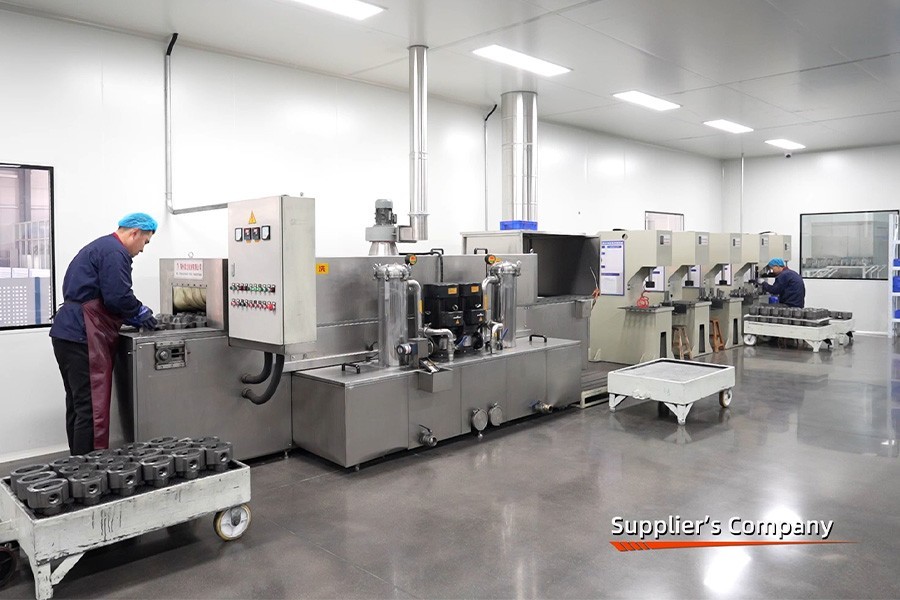
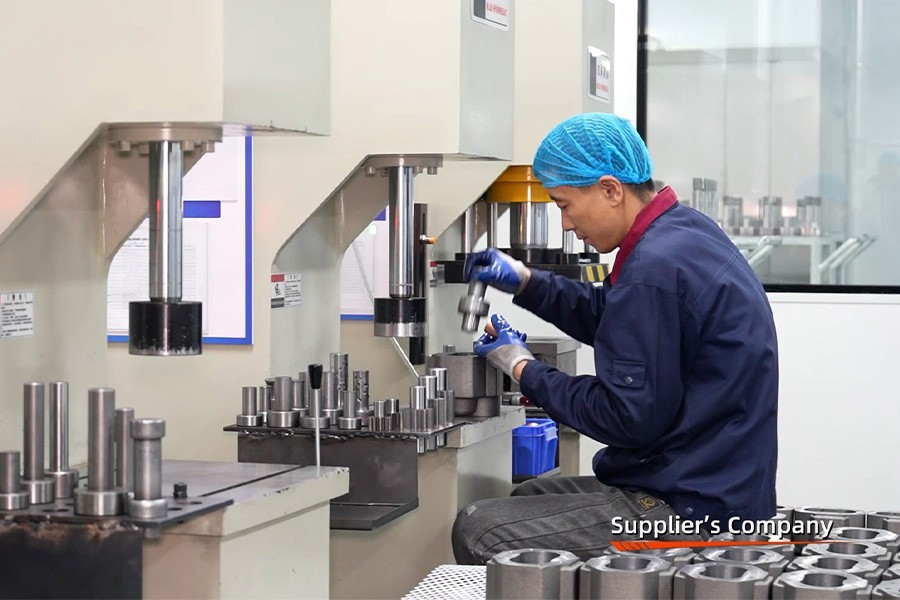
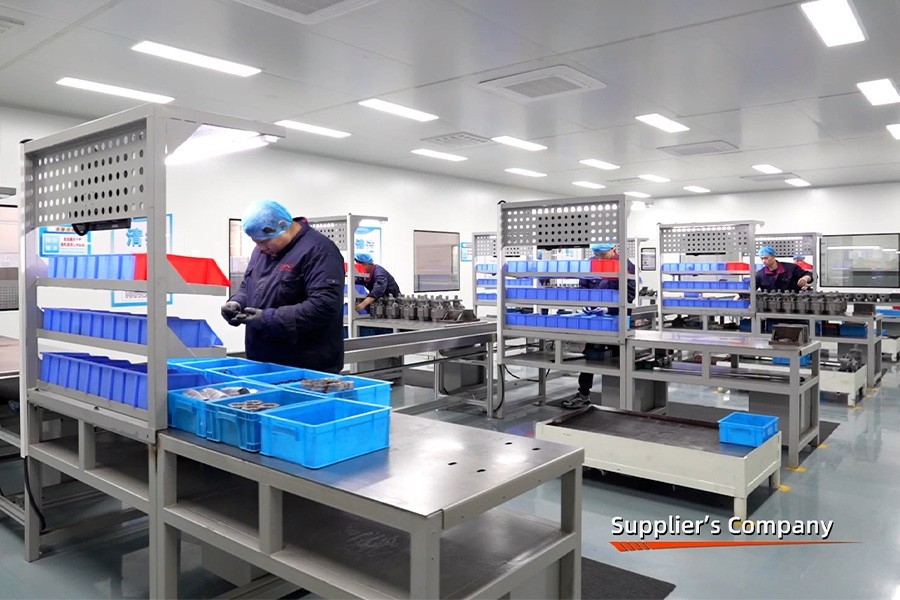
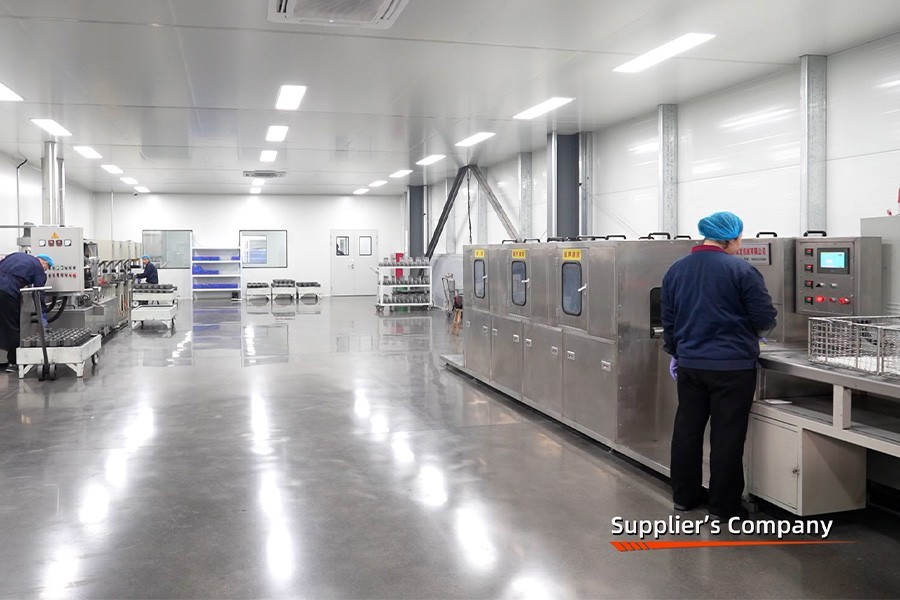
At Boxinhuasheng Hydraulic Technology Co., Ltd., monoblock directional control valve manufacturing is one of our primary product lines. Operating from our 68,000 m² campus in Qingzhou, China, Boxinhuasheng produces over 1.5 million hydraulic units annually across 4 specialized production plants. Supported by 35 senior hydraulic engineers, 260+ CNC machines, IATF 16949 quality certification, and third-party SGS factory verification, our monoblock valves are trusted by equipment builders across 80+ countries.
This engineering guide provides OEM purchasing managers and design engineers with a structured framework for selecting high-performance hydraulic monoblock valves.
Key Structural Advantages of Monoblock Construction
Before detailing selection parameters, it is essential to understand why equipment OEMs prefer monoblock valve architecture for high-volume mobile machinery:
                  ┌────────────────────────────────────────────────────────┐
                  │       MONOBLOCK VALVE ENGINEERING ADVANTAGES           │
                  └───────────────────────────┬────────────────────────────┘
                                              │
         ┌──────────────────────────────┬─────┴────────────────────────┬──────────────────────────────┐
         ▼                              ▼                              ▼                              ▼
┌──────────────────┐          ┌──────────────────┐           ┌──────────────────┐           ┌──────────────────┐
│ Zero Mid-Section │          │ High Structural  │           │ Compact Mounting │           │ Integrated Relief│
│ Leakage Paths    │          │ Rigidity (31.5MPa│           │ Physical Footprint│          │ & Safety Valving │
└──────────────────┘ └──────────────────┘ └──────────────────┘ └──────────────────┘- Zero Mid-Section External Leakage: Unlike sectional (modular) valves held together with tie-rods and inter-section O-rings, monoblock bodies possess no internal section joint faces, eliminating mid-stack oil weeping under severe vibration.
- High Pressure Capacity: Cast from high-tensile ductile iron (QT500-7), monoblock bodies withstand high working pressures (up to 31.5 MPa) and internal fatigue stress caused by rapid pressure spikes.
- Cost-Effective OEM Standardization: Single-piece casting simplifies high-volume machining, allowing cost-effective factory-direct pricing for OEM assembly lines.
Step-by-Step OEM Monoblock Valve Selection Protocol
OEM buyers and hydraulic system engineers should evaluate five critical specifications during valve selection:
+-------------------------------------------------------------------------+
|                  FIVE-STEP MONOBLOCK VALVE SELECTION PROTOCOL           |
+--------------------------+----------------------------------------------+
| Selection Step           | Evaluation Parameters                        |
+--------------------------+----------------------------------------------+
| 1. Spool Count           | 1, 2, 3, 4, 5, 6, or 7 spool banks          |
| 2. Flow Rating (L/min)   | 40, 50, 80, 120, or 160 L/min nominal flow  |
| 3. Spool Function Type   | Double-acting, Single-acting, Motor, Float  |
| 4. Pressure Relief       | Main adjustable relief + overload port valves|
| 5. Actuation Interface   | Manual lever, Joystick cable, Electro-Pilot  |
+--------------------------+----------------------------------------------+
Step 1: Determining Spool Count (1 to 7 Spools)
Match the number of valve spools directly to independent hydraulic actuator functions:- 1-Spool Valves: Ideal for single-function equipment such as log splitters, hydraulic winches, or simple dump trailers.
- 2-Spool Valves: The standard configuration for tractor front-end loaders (Spool 1: Boom Lift/Lower; Spool 2: Bucket Tilt/Dump).
- 3 to 7 Spool Valves: Used on complex agricultural machinery, backhoes, and specialized utility trucks requiring simultaneous control of multiple hydraulic cylinders and motors.
Step 2: Sizing Nominal Flow Capacity (40 to 160 L/min)
Selecting proper flow capacity prevents excessive pressure drops ($\Delta P$) and fluid overheating:+-------------------------------------------------------------------------+
| BOXINHUASHENG MONOBLOCK VALVE FLOW RATINGS |
+---------------------+--------------------+------------------------------+
| Series Model | Nominal Flow Rate | Max Operating Pressure |
+---------------------+--------------------+------------------------------+
| P40 Series | 40 L/min (11 GPM) | 31.5 MPa (315 bar) |
| P80 Series | 80 L/min (21 GPM) | 31.5 MPa (315 bar) |
| P120 Series | 120 L/min (32 GPM) | 31.5 MPa (315 bar) |
| Z50 / Z80 Series | 50 - 80 L/min | 31.5 MPa (Load-Sensing opt) |
+---------------------+--------------------+------------------------------+- If actual pump flow exceeds nominal valve rating, oil velocity inside internal galleries exceeds 6 m/s, causing parasitic horsepower loss and oil breakdown.
Step 3: Configuring Spool Function and Center Conditions
Each spool within a monoblock housing can be individually specified to match its target actuator:
- Double-Acting Spool (A & B Closed in Center): Holds hydraulic cylinders firmly in position under load (e.g., loader boom arms).
- Single-Acting Spool (A Port Active, B Plugged): Drives single-acting dump truck cylinders or gravity-return agricultural lifts.
- Motor Spool (A & B Open to Tank in Center): Allows hydraulic motors (e.g., auger or mower drives) to coast smoothly to a stop without pressure shocks.
- Float Spool (4-Position Detented): Adds a 4th detented position connecting A, B, and T galleries, allowing tractor implements to follow ground terrain freely.
Step 4: Specifying Integrated Pressure Relief and Safety Valving
To protect hydraulic circuits from over-pressurization, Boxinhuasheng monoblock valves feature fully integrated safety valving:
- Main Pressure Relief Valve (MRV): Direct-acting or pilot-operated relief cartridge adjustable from 10 MPa to 31.5 MPa.
- Auxiliary Port Relief Valves: Installed on individual work ports to protect specific cylinders from external mechanical impact loads.
- Anti-Cavitation Valves: Integrated into work ports to prevent vacuum formation during rapid actuator movement.
Step 5: Choosing Actuation Mechanisms and Port Threading
Modern OEM cabs demand flexible control interfaces:
- Mechanical Levers: Ergonomic hand levers with spring-return-to-neutral or friction detent options.
- Dual-Axis Joystick Cable Controls: Remote flexible push-pull cables connecting a single cab joystick to a 2-spool monoblock loader valve.
- Electro-Hydraulic ON/OFF or Proportional Solenoids: Allows 12V/24V electronic control via joysticks, microcontrollers, or remote wireless pendants.
- Port Threading: Available in SAE O-Ring Boss (ORB), BSPP (G-thread), and Metric ISO 6149 standards.
Buyer Checklist: Auditing Monoblock Valve Quality
Before signing multi-year OEM volume supply contracts, purchasing directors should verify:
- [ ] Housing Cast Material: Verify that valve bodies utilize ductile iron (QT500-7) rather than brittle grey iron (HT200).
- [ ] Bore Honing Tolerance: Ensure spool bore roundness is held within 0.002 mm (2 microns) to minimize internal leakage.
- [ ] 100% Workload Simulation Testing: Verify that 100% of finished valves undergo pressure and internal leakage testing (Boxinhuasheng tests 100% across 30+ test benches).
- [ ] Quality Certification: Confirm active IATF 16949 certification and third-party SGS factory audit verification.
Conclusion
Selecting the right hydraulic monoblock directional control valve requires matching spool count, flow capacity, spool center functions, relief settings, and actuation types to target machinery duty cycles. By choosing high-grade ductile iron monoblock valves from a verified manufacturer, OEMs achieve superior hydraulic control, low internal leakage, and long-term operating durability.
Boxinhuasheng Hydraulic Technology Co., Ltd. provides 25+ years of monoblock valve manufacturing experience, 35 senior engineers, 1.5 million units annual capacity, and complete IATF 16949 quality assurance.
To download 3D CAD models, review monoblock valve catalog specifications, or request OEM pricing, visit www.chinesehydraulic.com.