Directional control valves (DCVs) are the primary fluid routing mechanisms in mobile machinery operating up to 31.5 MPa (315 bar). Selecting the correct valve architecture—whether monoblock or sectional—and matching the system pressure, circuit configuration, flow rating, and actuation mode is vital to ensure peak machine performance, operator safety, and energy efficiency.
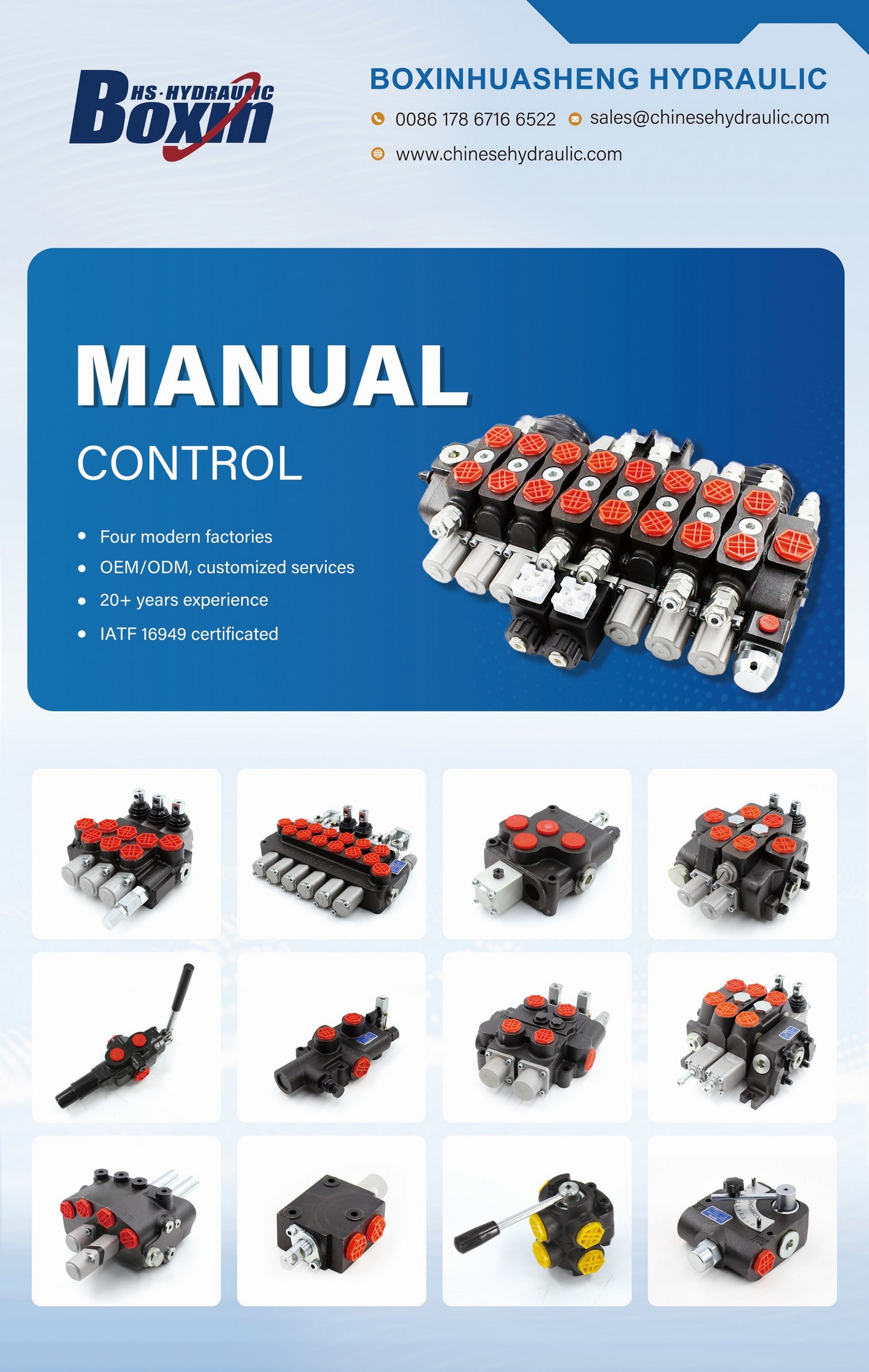
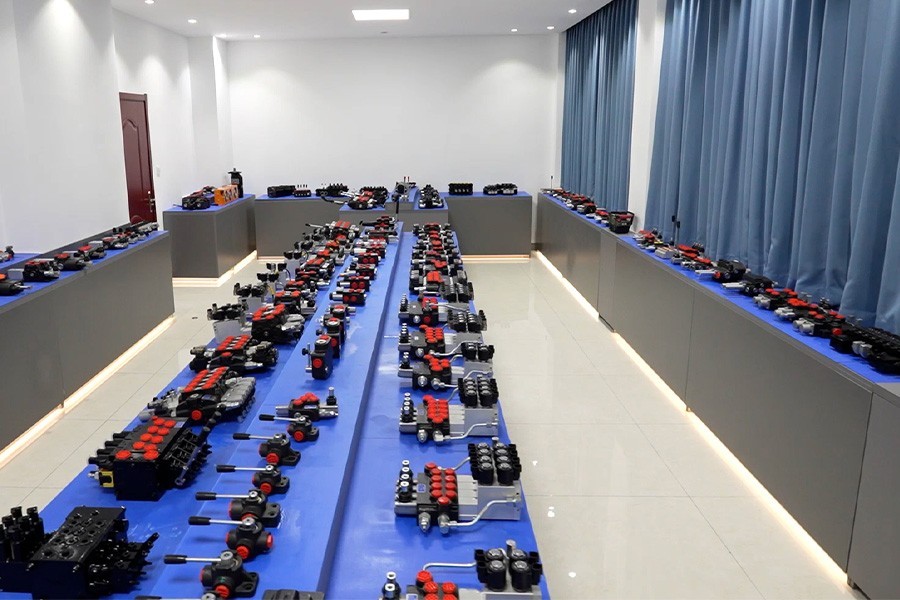
Figure 1: Boxinhuasheng monoblock and sectional hydraulic directional control valves for OEM equipment selection.
1. Understanding Open-Center vs. Closed-Center Configurations
Mobile hydraulic systems utilize either open-center or closed-center circuit layouts, which dictates the type of directional control valve required:
- Open-Center Systems (Fixed Displacement Pumps): When all spools are in neutral, fluid flows freely from the pump inlet gallery back to the hydraulic oil tank under minimal standby pressure (typically 0.2 to 0.5 MPa). This setup is highly popular in agricultural tractors, municipal utility vehicles, and light lifting platforms due to its mechanical simplicity, reliability, and cost-efficiency. However, open-center systems generate constant standby heat if the pump flow is high.
- Closed-Center Systems (Variable Displacement Pumps): In the neutral position, the pump flow is blocked at the valve spool inlet. The system pressure rises to a standby pressure threshold, signaling the variable pump to destroke to zero-flow standby. This configuration is standard in heavy-duty excavators, crane outriggers, mining machinery, and load-sensing systems where energy conservation is paramount.
2. Dynamic Load-Sensing (LS) Proportional Control Systems
Modern mobile equipment demands simultaneous control of multiple actuators operating under varying loads. Standard valves suffer from flow interactions (the actuator with the lowest load receives the most flow). Load-Sensing (LS) proportional valves overcome this by sensing the highest load pressure and sending a feedback signal to the pump compensator, adjusting pump output to match exact flow requirements plus a constant differential pressure margin (ΔP of 1.5 to 2.0 MPa). Post-spool compensators (also known as flow-sharing or LUDV systems) ensure that if the pump flow limit is reached, all actuators slow down proportionally rather than stalling the heavily loaded function.
| Technical Parameters | P40 Monoblock Series | P80 Monoblock Series | Z50/Z80 Sectional Series |
|---|---|---|---|
| Nominal Flow Rate | 40 L/min (11 GPM) | 80 L/min (21 GPM) | 50 / 80 L/min |
| Max Operating Pressure | 25 MPa (250 bar) | 25 MPa (250 bar) | 31.5 MPa (315 bar) |
| Bore Honing Clearance | 0.006 - 0.010 mm | 0.008 - 0.012 mm | 0.006 - 0.009 mm |
| Housing Casting | QT500-7 Ductile Iron | QT500-7 Ductile Iron | QT500-7 / High-Tensile Cast |
3. Sizing Flow Ratings and Pressure Drop Coefficients
Selecting an undersized valve causes high fluid velocities, leading to excessive pressure drops (ΔP), local oil overheating, fluid shear degradation, and fuel waste. Conversely, an oversized valve increases cost, weight, and reduces fine metering control. System architects must calculate pressure drop across the spool using the standard orifice flow equation:
Q = C_d × A × √( 2 × ΔP / ρ )
Where Q is flow rate, C_d is the discharge coefficient, A is the opening orifice area, ΔP is pressure drop, and ρ is oil density. Keeping spool-specific velocities below 5 to 6 m/s at nominal flow rates helps maintain thermal stability.
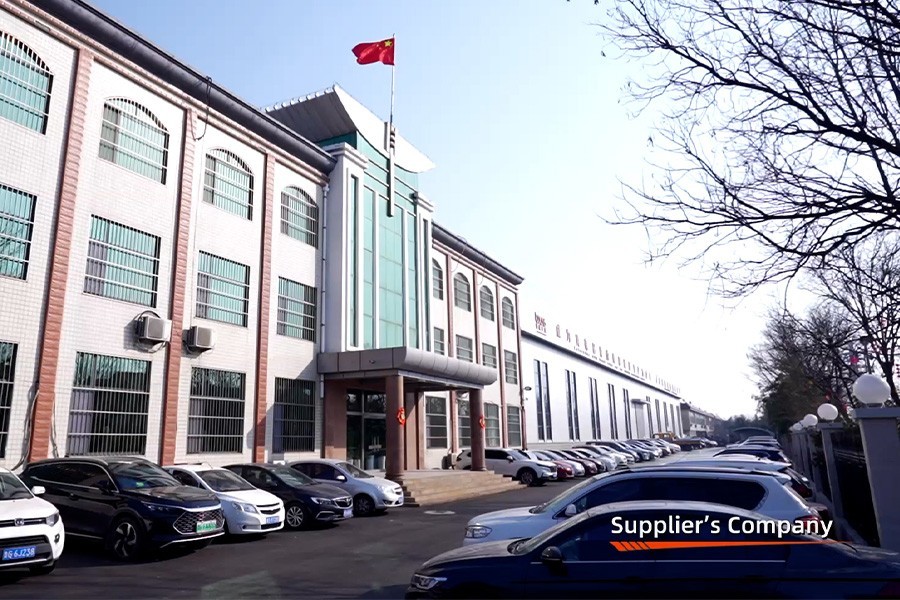
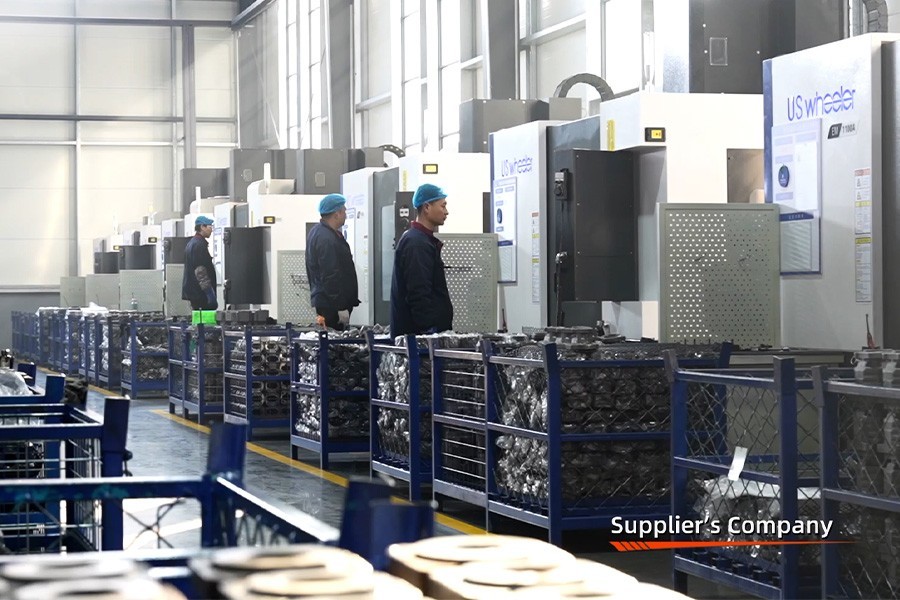
Figure 2: Precision CNC machining and bore diamond honing for directional control valve bodies at Boxinhuasheng plant.
4. Spool Configurations and Actuation Modes
Depending on the actuator type (single-acting vs. double-acting cylinders), spools are categorized into:
- A-Type (Double-Acting): Directs flow to Port A and Port B independently. Used for driving hydraulic motors and double-acting cylinders.
- D-Type (Single-Acting): Directs flow to Port A, while Port B is blocked. Used for dump truck tippers and single-acting lifts.
- Float Spool (4-Position): Connects both Port A and Port B to the tank, allowing plow blades or loaders to ride freely over uneven terrain.
Actuation modes range from simple manual hand levers and dual-axis joystick cable controls to pneumatic shift chambers, hydraulic pilot cylinders, and 12V/24V electro-hydraulic proportional (EHP) solenoids with pulse-width modulation (PWM) control.
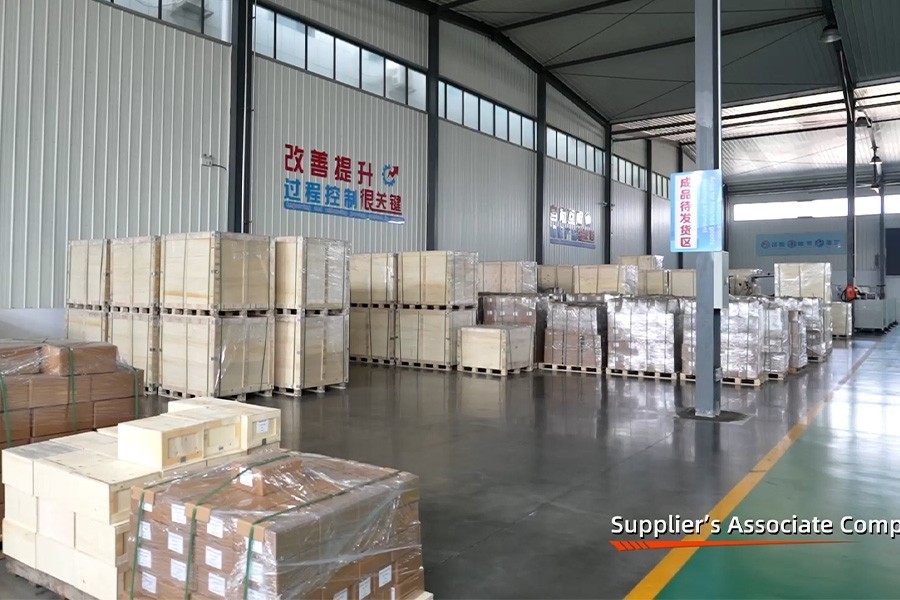
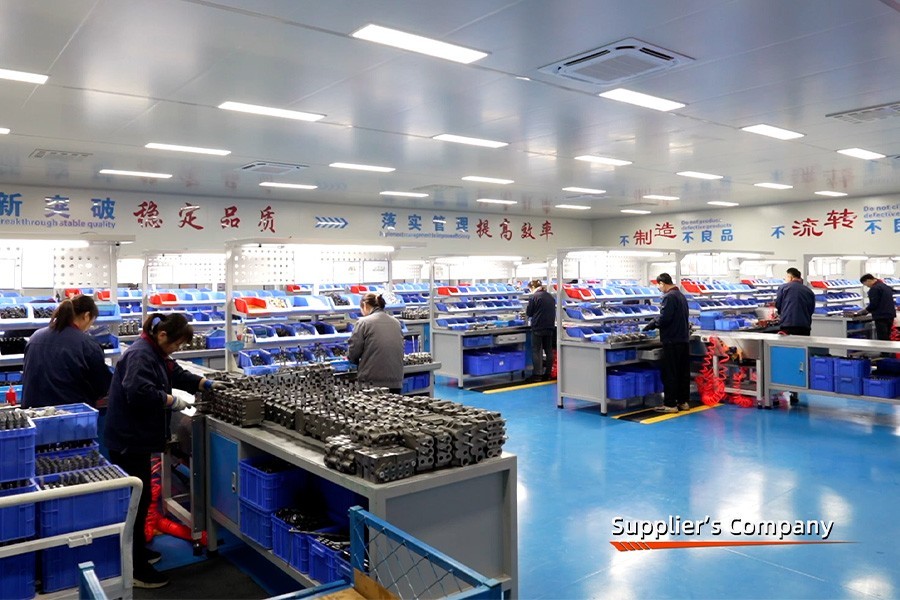
5. In-House Quality Control and Boxinhuasheng Manufacturing Strength
At Boxinhuasheng Hydraulic Technology Co., Ltd., we combine 25+ years of fluid power engineering with advanced manufacturing tools. Across our 68,000 m² campus in Qingzhou, China, we operate 260+ high-precision CNC machines and vertical diamond honing centers. Spool-to-bore tolerances are controlled strictly within 2 microns. Every directional valve undergoes 100% workload simulation testing, verification of relief valve settings, and internal leakage checks across 30+ automated testing benches under IATF 16949 automotive-grade quality standards.